
Financial pressure doesn't always mean formal insolvency
Safe harbour can protect directors from insolvent trading liability while a restructuring plan is developed and implemented. We help you establish, document and maintain that protection.
Confidential. No obligation. You will speak directly with a partner.
The safe harbour process
Step 01
Understand your exposure
In your initial consultation, we assess the company’s financial position, your personal exposure as a director, and whether safe harbour is the appropriate strategy. You’ll gain a clear understanding of your options and the risks involved before making any decisions.
Step 02
Establish safe harbour protection
If safe harbour is appropriate, we work with you to satisfy the legislative requirements and formally document the restructuring strategy. This creates a clear and defensible record supporting your eligibility for safe harbour protection.
Step 03
Implement the restructuring plan
Protection alone isn’t enough. We work alongside you and your advisers to develop and implement a strategy designed to achieve a better outcome than immediate administration or liquidation. Progress is monitored and the strategy is updated as circumstances evolve.
Confidential. No obligation. You will speak directly with a partner.
Why directors engage HoganSprowles
Safe harbour is not just about obtaining protection from insolvent trading claims. It is about developing a restructuring strategy that gives the business the best opportunity to recover.
Our partners have extensive experience advising distressed businesses, acting in formal insolvency appointments, negotiating with creditors and lenders, and assessing potential recovery outcomes. This practical experience helps directors make informed decisions at a critical time.
We work alongside accountants, lawyers and financiers to ensure safe harbour protection is properly established and supported by a genuine restructuring plan.
Key questions every director should ask
What protection does safe harbour provide?
Safe harbour protects directors from personal liability for insolvent trading while they pursue a genuine restructuring plan that is reasonably likely to achieve a better outcome than immediate administration or liquidation.
What this means for you:
- Protection from civil insolvent trading liability under s588G of the Corporations Act
- Applies to debts incurred from the date your course of action commences
- Continues for as long as you are genuinely implementing the plan
- Ends if the company enters voluntary administration or liquidation – but the protection for the covered period remains
What do you need to have in place to be protected?

Safe harbour isn’t automatic. To access the protection available under the legislation, certain requirements must be satisfied before a restructuring plan can commence.
Before protection can apply
- Employee entitlements must be paid
- Tax lodgements must be up to date
If either of these issues needs attention, we can help you address them as part of the process. An outstanding BAS or compliance issue does not necessarily prevent Safe Harbour from being established, so it’s important to seek advice early
Your restructuring strategy must also be:
- Properly documented and supported by written records.
- Based on accurate and up-to-date financial information.
- Developed with appropriate professional advice.
- Reasonably likely to achieve a better outcome than an immediate formal insolvency appointment.
- Actively implemented and regularly reviewed.
We ensure every safe harbour engagement is properly documented, giving directors a clear and defensible record of the actions taken if their position is ever scrutinised.
Is safe harbour right for your situation?
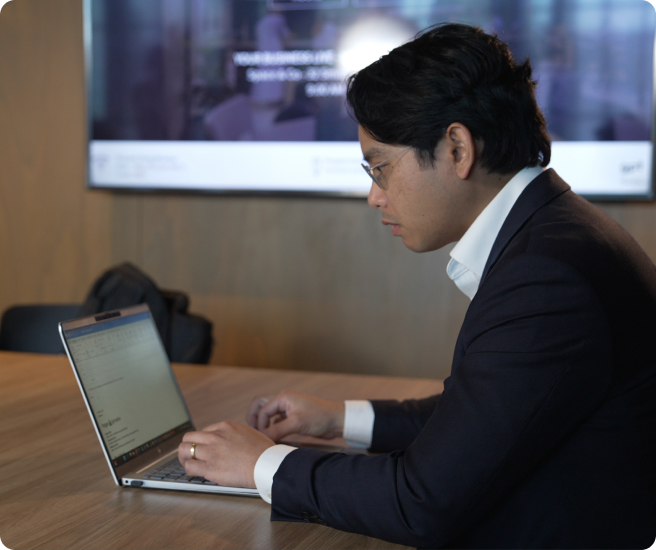
Safe harbour is most effective when implemented early. The sooner directors address financial distress, the greater the opportunity to restructure the business and improve outcomes for stakeholders.
You should consider safe harbour if:
- Your business is experiencing ongoing cash flow pressure.
- You are concerned about potential insolvent trading exposure.
- The business remains viable but requires restructuring to recover.
- You need time to negotiate with creditors while protecting your position as a director.
- Your accountant, lawyer or adviser has raised concerns about the company’s financial position, but you believe there is a path forward.
Unlike voluntary administration or small business restructuring, safe harbour is confidential. There is no public appointment or ASIC registration, allowing directors to pursue a restructuring strategy privately while maintaining control of the business.
Early engagement provides more options, greater flexibility and a stronger foundation for a successful turnaround. The best time to seek advice is before the situation becomes critical, not after.
Frequently asked questions
Directors often have questions about Safe Harbour, personal liability and restructuring options. Here are some of the issues we are most commonly asked.
Does safe harbour protect me from all personal liability?
No. Safe harbour protects directors from insolvent trading liability, but it does not cover personal guarantees, Director Penalty Notices, fraud or breaches of other director duties. We’ll explain your broader exposure during the initial consultation.
How long does the protection last?
Protection continues while you are actively pursuing a restructuring strategy that is reasonably likely to achieve a better outcome. It generally ends if the strategy is abandoned or the company enters a formal insolvency process.
Do I need a lawyer to establish safe harbour?
Not necessarily. However, safe harbour is often more robust when supported by both restructuring and legal advice.
Can I continue trading while under safe harbour?
Yes. Safe harbour is designed to allow directors to continue operating the business while implementing a restructuring strategy.
Is safe harbour confidential?
Yes. Unlike voluntary administration or small business restructuring, safe harbour is not publicly registered with ASIC and remains a private arrangement.
What happens if the restructuring plan fails?
Safe harbour may still protect directors for the period during which the restructuring strategy was being pursued. If circumstances change, we’ll advise whether another restructuring or insolvency process is appropriate.
Can safe harbour transition into SBR or voluntary administration?
Yes. Safe harbour can be used as a stepping stone to a more formal restructuring or insolvency process if required.
What records do I need to maintain?
Directors should maintain accurate financial records, cash flow forecasts, board minutes and records of professional advice received. Proper documentation is essential to supporting a safe harbour position.
How much does a safe harbour engagement cost?
Every engagement is different. Fees depend on the complexity of the business and the restructuring work required, with scope and costs agreed upfront before commencement.
Examples of safe harbour in practice
NSW · HOSPITALITY
Formal insolvency avoided through early Safe Harbour engagement
A hospitality business engaged HoganSprowles before creditor pressure escalated into formal insolvency. A restructuring strategy was implemented under safe harbour and an agreement reached with key creditors.
- Formal insolvency avoided and director liability risk managed.
VIC · RETAIL
Retail business returned to profitability under a Safe Harbour plan
Directors engaged HoganSprowles early and implemented a nine-month restructuring plan. Lease commitments were reduced, underperforming locations exited and trading performance restored.
- Business returned to profitability and director protection maintained.
NSW · Mining
ATO pressure addressed without formal insolvency
Following escalating ATO debt and recovery action, a safe harbour engagement was established and a restructuring plan implemented. Funding was secured and creditor pressure stabilised while the business continued trading.
- Formal insolvency avoided entirely
Examples are anonymised and generalised. Outcomes depend on the circumstances of each matter and should not be taken as a guarantee of similar results.
Experienced advisors.
Trusted leadership.
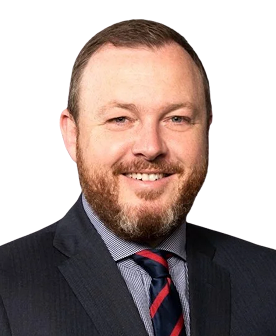
Christian Sprowles
Christian is a chartered accountant and registered liquidator with more than 20 years of experience across corporate restructuring, insolvency, turnaround and banking. He advises companies, directors, lenders and other stakeholders dealing with financial distress, complex restructurings and formal insolvency appointments.
Known for providing clear, practical and commercially focused advice, Christian helps clients navigate challenging situations with a focus on preserving value and achieving the best available outcome. He has significant experience across voluntary administrations, deeds of company arrangement, receiverships and liquidations.
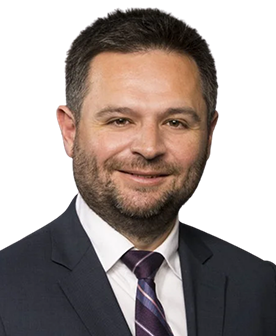
Michael Hogan
Michael is a Chartered Accountant with over 20 years experience in corporate turnaround restructuring and recovery. He has previously held senior positions as a leading advisory firm and major financial institution in both front end and restructuring. Michael has also completed a masters in applied finance, is a member of the Institute of Chartered Accountants (ICAA) and Australian Restructuring, Insolvency and Turnaround Association (ARITA).
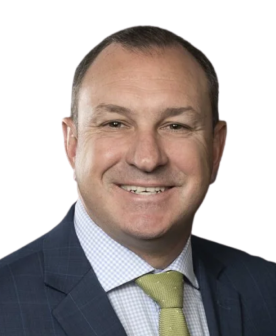
Brendan Copeland
Brendan is a certified practising accountant (CPA) and registered liquidator with more than 20 years of experience in restructuring, turnaround and corporate insolvency. He has held senior positions with leading advisory firms and financial institutions, advising directors, creditors and stakeholders across a broad range of restructuring and recovery matters.
Known for his practical and commercially focused approach, Brendan assists clients navigating financial distress, formal insolvency appointments and complex stakeholder situations. He is a member of CPA Australia and the Financial Services Institute of Australasia (FINSIA).

Mark Brereton
Mark is a chartered accountant with more than 15 years of experience advising stakeholders on corporate restructuring, turnaround, insolvency and business advisory matters. Having worked with leading global accounting firms, he assists directors, lenders and stakeholders facing financial distress, operational challenges and complex restructuring situations.
Known for his pragmatic and commercially focused approach, Mark works closely with clients to develop tailored solutions and achieve practical outcomes. He is a member of Chartered Accountants Australia and New Zealand (CA ANZ) and the Australian Restructuring Insolvency and Turnaround Association (ARITA), and holds postgraduate qualifications in law and advanced insolvency.

Angelo Cadiz
Angelo is a Chartered Accountant with over 10 years of experience in informal and formal restructuring at HoganSprowles.
Angelo has a variety of experience in voluntary administration, deed of company arrangement, liquidations, receiverships and various informal restructuring and advisory engagements.
Angelo assists clients and stakeholders in distressed situations across a broad range of industries including hospitality, property, technology start up’s, professional services, education and construction.
Not sure where to start? Talk to us.
Every engagement begins with a confidential conversation. No obligation. No cost. You will speak directly with a partner.
